The Michigan Department of Education (MDE) gathers and shares data to assist our review of the success and effectiveness of our programs, students, and graduates. The below graph depicts, per advanced degree program for the 2024-2025 academic year, the number of completers (graduates who obtained their degree and educational certification) and their employer evaluation rating.
The following data/graph may be obtained from the MSU Master’s Degrees Career Outcomes website. Filtered for Education and then K-12 Educational Administration (CED).
| 2024-2025 EPP Advanced Level Completers who Graduated with their Certification | |||||||||
|---|---|---|---|---|---|---|---|---|---|
| Degree | Total # | # Male | # Female | # White | # Black | # Asian | # Hispanic | # Native American/Alaska Native | # Two or More Races |
| M.A. K-12 Administration | 7 | 2 | 5 | 4 | 1 | 1 | 1 | ||
| Ed.D. Administration | 5 | 1 | 4 | 5 | |||||
| M.A.T.C. Reading Specialist* | 5 | 3 | 3 | ||||||
| M.A.T.C. Reading | 0 | 0 | 0 | ||||||
| M.A.T.C. ESL | 1 | 1 | 1 | ||||||
| School Psychologist | 5 | 5 | 3 | 2 | 1 | ||||
*Three students passed their certification test after August 31, 2025, and are not included as completers in the 24-25 data
| MSU EPP Advanced Degree Graduates who were P-12 School Employees in 2024-2025 | Awarded a 2024-2025 Evaluation Rating that was Effective or Highly Effective (%) |
|---|---|
| M.A. Certificate Building Level Administrator | 100% |
| Ed.D. Central Office Administrator | 100% |
| M.A.T.C. Reading & Reading Specialist | 100% |
| School Psychologist | 100% |
The K-12 program has been ranked #1 in the nation in Educational Administration and Supervision by U.S. News and World Report for the last three years. Our K-12 advanced degree program graduates strong leaders for Michigan schools, districts, ISDs, MDE and key professional associations. The document provides additional information regarding the program.
Data includes the years 2023 and 2024. View the graphs.
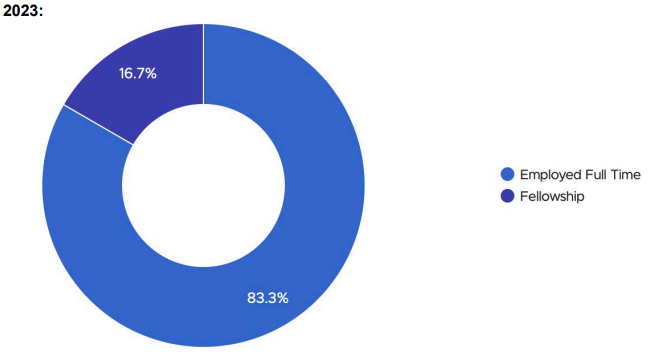
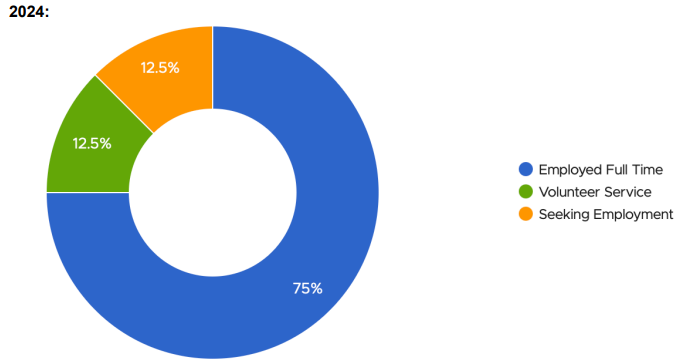
K-12 Administration M.A. and Ed.D. Program Graduate Employment Rates
We celebrate our M.A. and Ed.D. graduates and applaud their 100% employment rate following completion of their 2025 degree and obtainment of the educational administration certification.
2024 - 2025, K-12 MA:
- Montrelle Baldwin
- Madison Berman
- Jovaughn Carver
- Jaleah Hawthorne
- David Hughes
- John Klee
- Daniel Mattar
- Wendy Ruegsegger
- Amanda Theuerkorn
- Jackee Thompson
- Lauren Tippie
- Taylor Villarreal
2024 - 2025, Ed.D:
- Marcelle Al-Zoughbi
- Jorhie Elizabeth Beadle
- Matea Caluk
- Laura Fennell Castle
- Erin Gotra
- Michael Jay Hastings
- Nathan James Leale
- Randall Levi
- Erin Marie North
- Ali Marie Sanchez
- Carla Smith
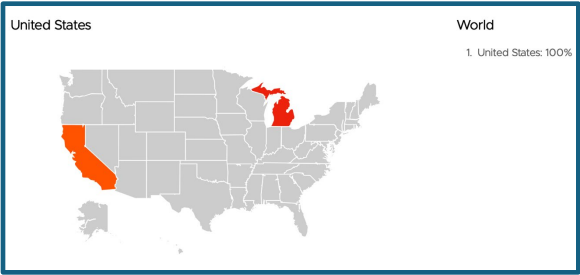
K-12 Educational Administration Employment Locations
The following data/graph obtained visiting the Career Outcomes – Master’s Degrees page. Filtered for “Education” and then, “K-12 Educational Administration (CED)”. Data included class of 2023. 100% of K - 12 Educational Administration Graduates built careers in the United States with a high concentration of alumni working in Michigan and California.
The following information serves as highlighted evidence of implementing and upholding CAEP standards. View the table and graph below in a larger format.
| Academic School Year 2024-2025 | Candidate Competency at Completion (%) | Ability of Completers to Be Hired (%) |
|---|---|---|
| M.A. Certificate Building Level Administrator | 100% | 100% |
| Ed.D. Central Office Administrator | 100% | 100% |
| M.A.T.C. Reading Specialist | 100% | 100% |
| School Psychologist | 100% | 100% (20% working in the industry and 80% working at a university program where they are pursuing a doctoral degree) |
- Class 2025 K-12 Administration 100% employed
- Class 2025 Reading Specialist: 100% employed
- Class 2025 School Psychology: 20% employed and 80% pursuing advanced degree
Our Advanced Programs have advisory boards. We also have an MSU EPP Advisory Board (see Advisory Brochure).
Our programs work with external and internal programs to make a lasting change on schools and communities. We are committed to working hands-on in classroom environments in urban contexts and beyond.
In the college, we work with the Office of K-12 Outreach to design informative and relevant professional development for Michigan educators. The attached Impact Report highlights some of the collective work and involvement.
Spearheaded by MSU CED K-12 Administration Faculty with the support of graduate students, we partner with school districts to further our impact. The Spartan Partner School is an example of stakeholder involvement in our advanced programs.
The Michigan Department of Education (MDE) gathers and shares data to assist our review of the success and effectiveness of our programs, students, and graduates. The below graph depicts, per advanced degree program for the 2024-2025 academic year, the number of completers (graduates who obtained their degree and educational certification) and their employer evaluation rating.
| MSU EPP Advanced Degree Graduates who were P-12 School Employees in 2024-2025 | Awarded a 2024-2025 Evaluation Rating that was Effective or Highly Effective (%) |
|---|---|
| M.A. Certificate Building Level Administrator | 100% |
| Ed.D. Central Office Administrator | 100% |
| M.A.T.C. Reading & Reading Specialist | 100% |
| School Psychologist | 100% |
| Academic School Year 2024-2025 | Candidate Competency at Completion (%) | Ability of Completers to Be Hired (%) |
|---|---|---|
| M.A. Certificate Building Level Administrator | 100% | 100% |
| Ed.D. Central Office Administrator | 100% | 100% |
| M.A.T.C. Reading & Reading Specialist | 100% | 100% |
| School Psychologist | 100% | 100% (20% working in the industry and 80% working at a university program where they are pursuing a doctoral degree) |
| 2024-2025 EPP Advanced Level Completers who Graduated with their Certification | |||||||||
|---|---|---|---|---|---|---|---|---|---|
| Degree | Total # | # Male | # Female | # White | # Black | # Asian | # Hispanic | # Native American/Alaska Native | # Two or More Races |
| M.A. K-12 Administration | 7 | 2 | 5 | 4 | 1 | 1 | 1 | ||
| Ed.D. Administration | 5 | 1 | 4 | 5 | |||||
| M.A.T.C. Reading Specialist* | 5 | 3 | 3 | ||||||
| M.A.T.C. Reading | 0 | 0 | 0 | ||||||
| M.A.T.C. ESL | 1 | 1 | 1 | ||||||
| School Psychologist | 5 | 5 | 3 | 2 | 1 | ||||
*Three students passed their certification test after August 31, 2025, and are not included as completers in the 24-25 data
The Michigan Department of Education (MDE) gathers and shares data to assist our review of the success and effectiveness of our programs, students, and graduates. The below graph depicts, per advanced degree program for the 2024-2025 academic year, the number of completers (graduates who obtained their degree and educational certification) and their employer evaluation rating.
| Academic School Year 2024-2025 | Candidate Competency at Completion (%) | Ability of Completers to Be Hired (%) |
|---|---|---|
| M.A. Certificate Building Level Administrator | 100% | 100% |
| Ed.D. Central Office Administrator | 100% | 100% |
| M.A.T.C. Reading & Reading Specialist | 100% | 100% |
| School Psychologist | 100% | 100% (20% working in the industry and 80% working at a university program where they are pursuing a doctoral degree) |
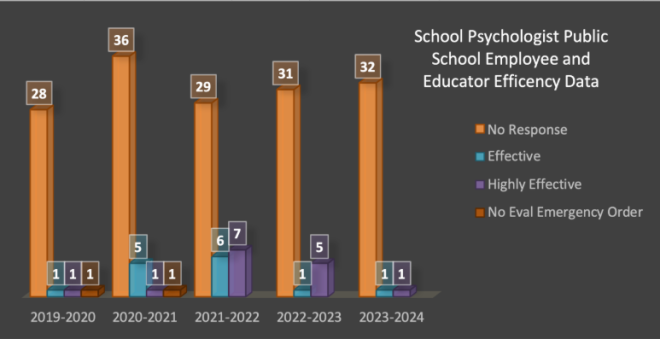
Educator Effectiveness Label options were:
- Ineffective
- Minimally effective
- Effective
- Highly Effective
- No Eval Emergency Order
All of the advanced program graduates during 2024-2025 who received employer effectiveness labels were rated as highly effective or effective.
All assignments, including teaching, non-teaching, and administrative assignments, have been included in the dataset.
The educator effectiveness label reported in the spreadsheet is reflective of any appeals data that exists for the educator.
Not all educators have an effectiveness label rating for every year.
View the graphs below in a larger format.
| 2025-2026 EPP Reading & Reading Specialist Enrollment of Entering Cohort | |||||||||
|---|---|---|---|---|---|---|---|---|---|
| Degree | Total # | # Male | # Female | # White | # Black | # Asian | # Hispanic | # Native American/Alaska Native | # Two or More Races |
| M.A.T.C. Reading Specialist | 8 | 3 | 5 | 7 | 0 | 1 | 0 | 0 | 0 |
| M.A.T.C. Reading | 1 | 0 | 1 | 1 | 0 | 0 | 0 | 0 | 0 |
| M.A.T.C. ESL | 0 | 0 | 0 | 0 | 0 | 0 | 0 | 0 | 0 |
| 2024-2025 EPP Reading & Reading Specialist Enrollment of Entering Cohort | |||||||||
|---|---|---|---|---|---|---|---|---|---|
| Degree | Total # | # Male | # Female | # White | # Black | # Asian | # Hispanic | # Native American/Alaska Native | # Two or More Races |
| M.A.T.C. Reading Specialist | 10 | 0 | 10 | 10 | 0 | 0 | 0 | 0 | 0 |
| M.A.T.C. Reading | 1 | 0 | 1 | 1 | 0 | 0 | 0 | 0 | 0 |
| M.A.T.C. ESL | 7 | 2 | 5 | 6 | 0 | 1 | 0 | 0 | 0 |
| 2024-2025 EPP EAD K-12 Program Enrollment of Entering Cohort | |||||||||
|---|---|---|---|---|---|---|---|---|---|
| Degree | Total # | # Male | # Female | # White | # Black | # Asian | # Hispanic | # Native American/Alaska Native | # Two or More Races |
| M.A. K-12 Administration | 15 | 3 | 12 | 11 | 2 | 0 | 2 | 0 | 0 |
| M.A.T.C. Reading | 22 | 6 | 16 | 13 | 7 | 1 | 0 | 0 | 0 |
| 2024-2025 EPP Advanced Level Completers who Graduated with their Certification | |||||||||
|---|---|---|---|---|---|---|---|---|---|
| Degree | Total # | # Male | # Female | # White | # Black | # Asian | # Hispanic | # Native American/Alaska Native | # Two or More Races |
| M.A. K-12 Administration | 7 | 2 | 5 | 4 | 1 | 1 | 1 | ||
| Ed.D. Administration | 5 | 1 | 4 | 5 | |||||
| M.A.T.C. Reading Specialist | 5 | 3 | 3 | ||||||
| M.A.T.C. Reading | 0 | 0 | 0 | ||||||
| M.A.T.C. ESL | 1 | 1 | 1 | ||||||
| School Psychologist | 5 | 5 | 3 | 2 | 1 | ||||
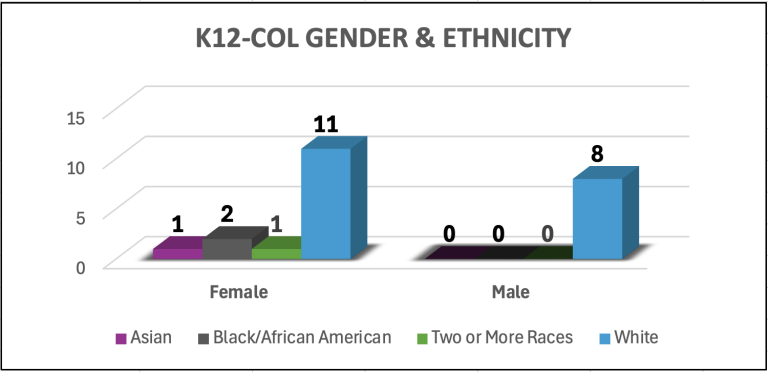
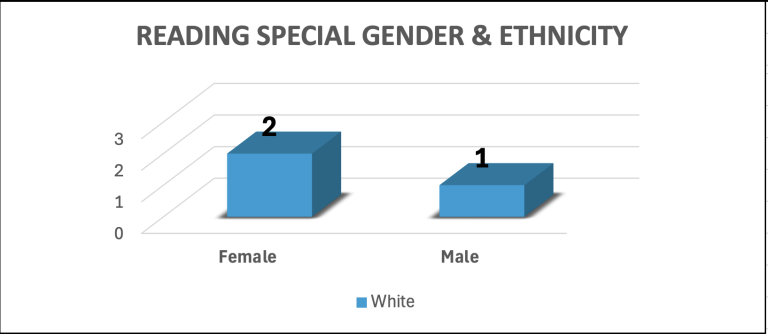
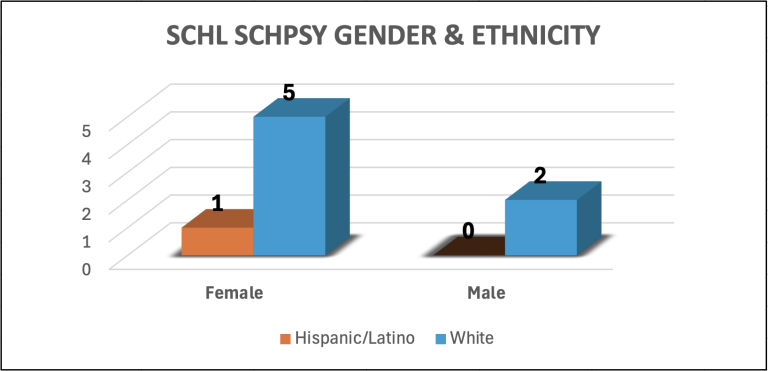
2023-2024 Advanced Program Gender and Ethnicity Initial Cohorts
For a detailed breakdown of resident graduate tuition rates by semester, visit MSU's official tuition page.