The most powerful research often begins with simple observation.
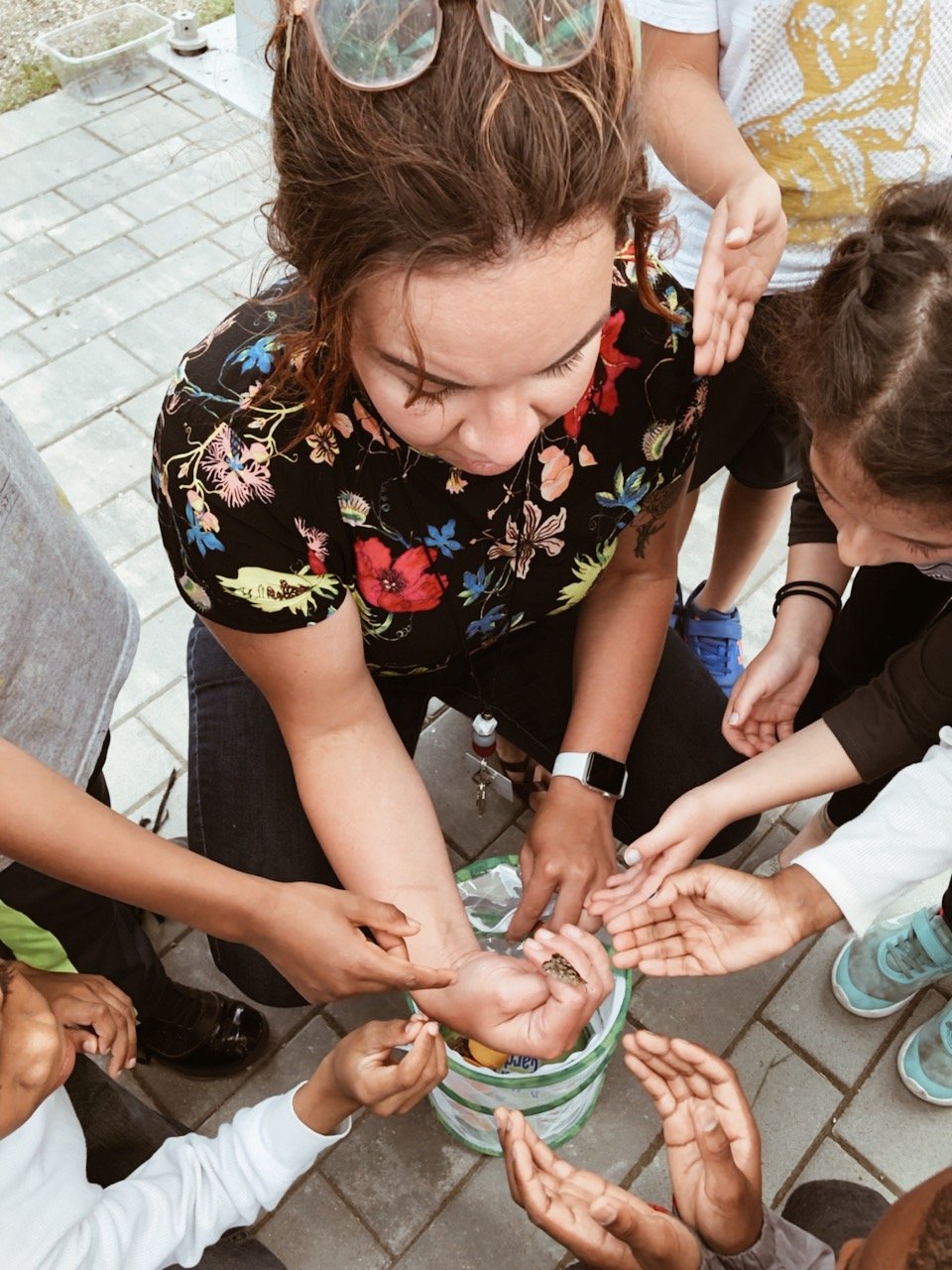
For Pam Moura, a Special Education doctoral student, that question emerged while serving as a STEM learning specialist co-teaching high school biology in Chicago. Moura worked with students who were both multilingual and navigating reading disabilities. Together with her co-teacher, she worked to make complex scientific texts accessible — but over time, she noticed something troubling.
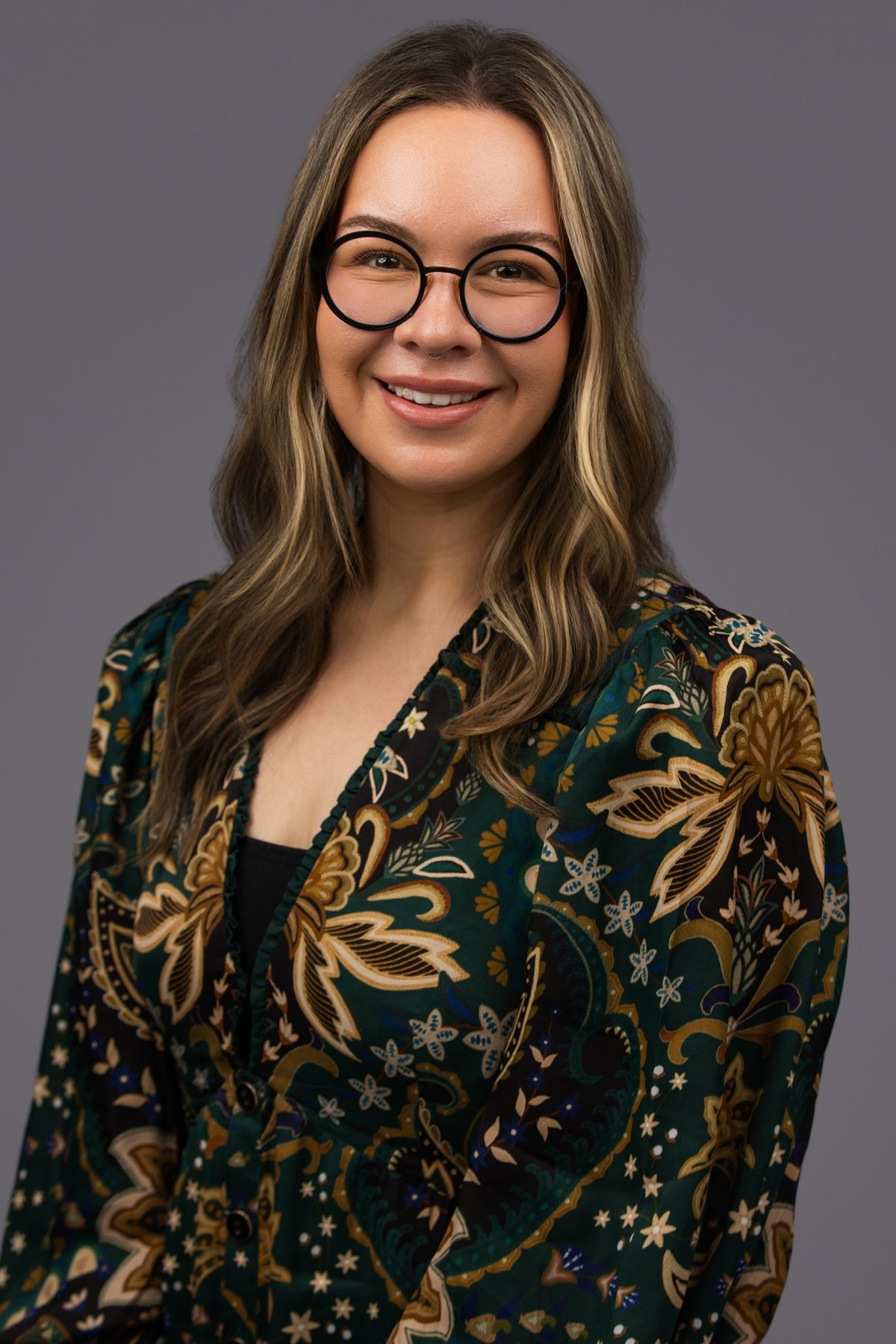
The assessments used to evaluate students did not clearly distinguish between language acquisition and disability.
After transitioning to a Detroit-based role, those concerns only deepened. How were students being identified? Were assessments truly measuring what students knew — or simply how well they spoke English? When clear answers weren’t available, Moura realized she needed new tools, deeper training and a broader platform to advocate for her students.
That realization led her to MSU College of Education.
Research With Purpose—and Reach
Moura’s research is both deeply technical and profoundly human. She aims to improve how schools assess multilingual learners, asking questions that get to the heart of educational equity:
- How can assessments be designed to measure students’ knowledge beyond English proficiency?
- How can we prevent language acquisition from being confused with disability?
- What systems and supports should be in place before a student is referred for special education evaluation?
- How can schools interpret data as part of a broader student story — not just numbers on a page?
Her work pushes schools to move beyond metrics and toward more culturally responsive, evidence-based decision-making. Already, Moura has contributed to national-scale research projects, including rigorous reviews of commercial reading assessment tools and advanced statistical studies that help identify the types and intensity of interventions multilingual students need.
“I love getting to apply real data to real problems,” she shared. “That’s when research stops being abstract and starts becoming a tool for change.”
Mentorship That Makes Transformation Possible
Moura credits much of her growth to the mentorship and research environment at MSU — particularly her work with Associate Professor Adrea Truckenmiller and the Writing Architect project, a grant- funded instructional tool that matches a student’s level of development in critical areas of writing with research-based instruction.
“The College of Education is a place that cultivates growth,” Moura said. “I’ve been able to show my strengths, develop new ones and work alongside faculty and peers who push my thinking every day.”
The Special Education Ph.D. program’s cohort model, built-in milestones and culture of consistent feedback have created a community where students learn with and from one another — strengthening their scholarship and their sense of purpose.
Why This Work Matters
Research like Moura’s is critical at a time when classrooms are increasingly diverse and educational practices must evolve alongside society. Inclusive, high-quality assessment is foundational to ensuring students receive the support they need — and are not misidentified or underserved.
“There’s no point in research if it doesn’t have an impact on kids,” she said. “I want special education assessment to truly include multilingual learners and their linguistic backgrounds.”
The Donor Impact
Moura is clear: None of this work happens without philanthropic support.
“My work wouldn’t be possible without donors,” she said. “Even one dollar can create a ripple effect — supporting research that leads to better outcomes for students. That impact is immediate, gradual and unfolding.”
To learn about how your contributions can make a difference for students like Pam, connect with our Office of Development and Alumni Relations.
Related news:
"Writing Architect" Aims to Increase Writing Literacy for Elementary School Students - from a 2025 edition of The Engaged Scholar Newsletter, a publication of University Outreach and Engagement.
MSU researchers are creating a tool to improve writing. Here's how. (2021 story from the MSU College of Education)