Preventing Osteoarthritis After Knee Injury
Every year, thousands of young athletes tear their ACL. Surgery restores knee stability—but for many, recovery remains incomplete. Up to 1 in 3 develop osteoarthritis within a decade. We're working to change that.
Led by Dr. Matt Harkey at Michigan State University, our lab is redefining how we understand recovery after ACL reconstruction. We've identified a critical stage—pre-osteoarthritis illness—where persistent symptoms signal elevated risk for future joint damage. By catching problems at this stage, we can intervene before irreversible changes occur.
Our Research: Recognizing Pre-OA Illness as a Window for Prevention

Traditional approaches wait until X-rays show joint damage before diagnosing osteoarthritis. By then, the opportunity for prevention has passed. Our research identifies pre-osteoarthritis (pre-OA) illness—a stage where patients have persistent symptoms after ACL reconstruction but no radiographic evidence of arthritis yet.
This isn't just slower recovery. It's an early warning sign.
Our work shows that 54% of patients meet criteria for pre-OA illness at 6 months post-surgery. These patients are 3× more likely to develop arthritis within 5 years. They need closer monitoring and earlier intervention.
We integrate three approaches to identify high-risk patients and test preventive interventions:
Movement Analysis: Understanding How Loading Drives Disease
We measure how patients walk and load their joints using force-sensing insoles and AI-powered motion capture. Gait asymmetries at 6 months predict joint inflammation and pre-OA illness development.
Joint Imaging: Detecting Pre-OA Disease Alongside Pre-OA Illness
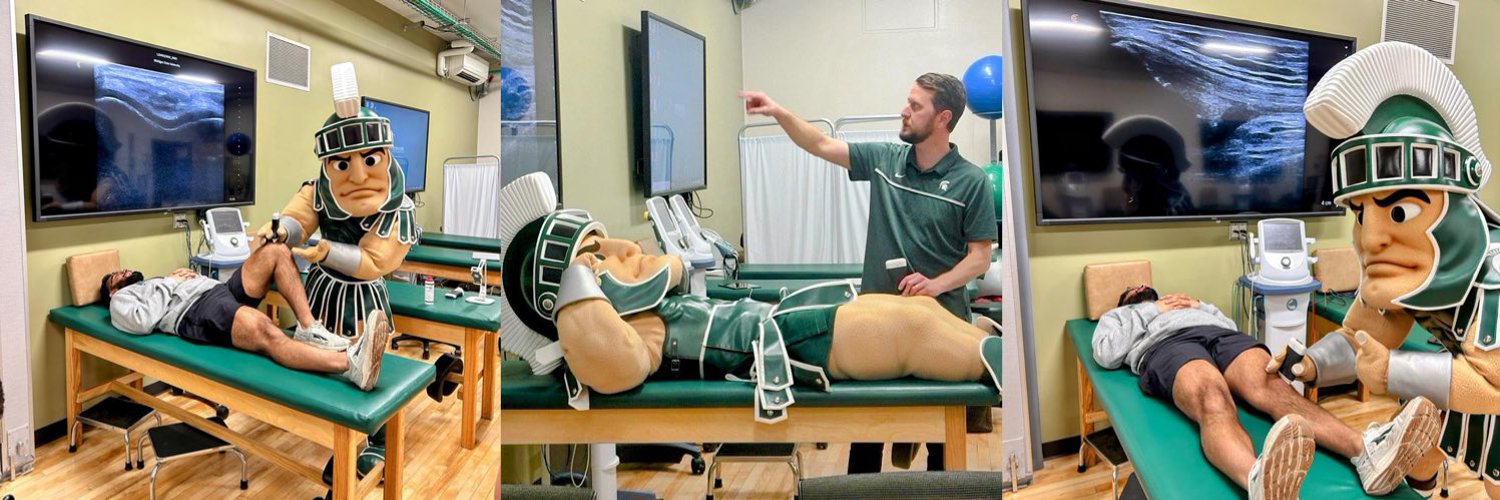
Portable ultrasound detects inflammation, cartilage changes, and tissue stiffness—signs of trouble that appear long before X-rays show damage. Unlike MRI, ultrasound is affordable and clinic-ready.
Symptom Tracking: Defining Who Needs Continued Care
Multi-site studies of 4,000+ patients show that persistent symptoms at 6 months predict long-term problems. These aren't "slow recoveries"—they're early warning signs that warrant continued care.
Shifting the Paradigm: From Reactive to Preventive Care
Traditional OA care: Wait until X-rays show damage → Manage pain → Eventually replace the joint
Our approach: Identify pre-OA illness early → Target inflammation and abnormal loading → Prevent irreversible damage
This shift mirrors how medicine now treats cardiovascular and metabolic diseases—intervening before irreversible pathology emerges. The difference? Patients who develop chronic pain and arthritis in their 30s and 40s versus patients who maintain joint health for life.
Impact at a Glance
Research Impact
- 70+ peer-reviewed publications since 2020
- 100+ national/international conference presentations since 2020
- 3,800+ citations from researchers worldwide
Funding & Translation
- $6.2 million in research funding from NIH, Department of Defense, and national foundations
- Partnerships with Sparrow Health and MSU Health orthopedic surgeons
- Contributed to CDC-supported national guidelines for OA prevention after injury
Why This Matters: The Subset That Can't Wait
Not all patients need to be labeled as having pre-OA illness. But for the substantial proportion—
54% at 6 months, 33% with persistent symptoms through 2 years—who continue experiencing pain, functional limitations, and reduced quality of life, this construct ensures their symptoms aren't dismissed as 'normal recovery.'
Recognizing pre-OA illness:
- Justifies extended rehabilitation and structured follow-up
- Enables targeted symptom management (pain relief, psychological support, movement retraining)
- Creates eligibility for clinical trials testing disease-modifying interventions
- Shifts the focus from reacting to joint damage to preventing it
The alternative? Waiting until X-rays show irreversible damage—when prevention is no longer possible.
Now is the time to act.