Scholars from across the MSU College of Education have partnerships across the globe that engage in teaching, research, and outreach. The Office of International Studies in Education (OISE) supports these efforts in a variety of ways.
Below is a selected list of some of the many ways scholars engage in international work—including work facilitated in collaboration with OISE and work done as part of singular or collaborative efforts.
Select International Research & Outreach
Alexandra Allweiss (Guatemala)
Alexandra Allweiss is an assistant professor in the Department of Teacher Education, as well as core faculty with the Center for Latin American and Caribbean Studies and Center for Gender in Global Context. She has been working transnationally with the Chuj nation in Guatemala for over a decade. Drawing on ethnographic and participatory methods over 19 months, her research looked at the ways “modern/colonial” gender systems interconnect and influence the lives, educational experiences, organizing and social justice work, and resistances of Maya Chuj youth and educators in Guatemala and the United States. For example, youth and educators created youth/community-led spaces, enacted structural and pedagogical transformations in schools, and challenged dehumanizing racialized colonial framings and structures.
Amita Chudgar (Colombia, India, Malawi / India / United Nations)
Associate Professor Amita Chudgar is exploring marginalized youth’s experiences in secondary education around the globe with a nearly $1M grant from the Spencer Foundation. Chudgar and fellow colleagues are improving their understanding of what youth need in school settings to impact discourses, policies and practices. The work is focused on Colombia, India and Malawi, but could have implications across the world. In addition, the MSU College of Education has collaborated for over a decade with the Azim Premji Foundation in India to support the development of a new university there, exemplifying ‘co-creation’ across borders and cultures. MSU faculty travelled to India in order to contribute to the vision of the Azim Premji University (APU), and MSU was heavily involved in early designs of courses, administration, community life, etc. Since then, APU has expanded to multiple campuses and expanded faculty and course offerings. The relationship between MSU and APU continues today with a greater focus on scholar exchange, scholarships and ideas.
Also, with support of the United Nation’s Children’s Fund and in collaboration with Claremont Graduate University, Chudgar analyzed large-scale quantitative evidence and developed in-depth country case studies to develop the most systematic, cross-national understanding of teacher distribution available to date. New data and information will foster policy solutions to ensure an equitable distribution of high-quality teachers for all children, especially marginalized children.
Leapetswe Malete (Tanzania, Nigeria / Kenya)
Associate Professor Leapetswe Malete is leading a study examining if levels of physical activity impact the mental and respiratory health of individuals living in three regions of Africa during the COVID-19 pandemic. Collaborative partners include Sonde Health, the University of Botswana,
the University of Ghana, the University of Dar es Salaam (Tanzania) and the University of Nigeria, Nsukka.
Chris Reimann, Kurt Richter, John Bonnell, Marcy Hessling O’Neil, Jessica Garrels (Malawi)
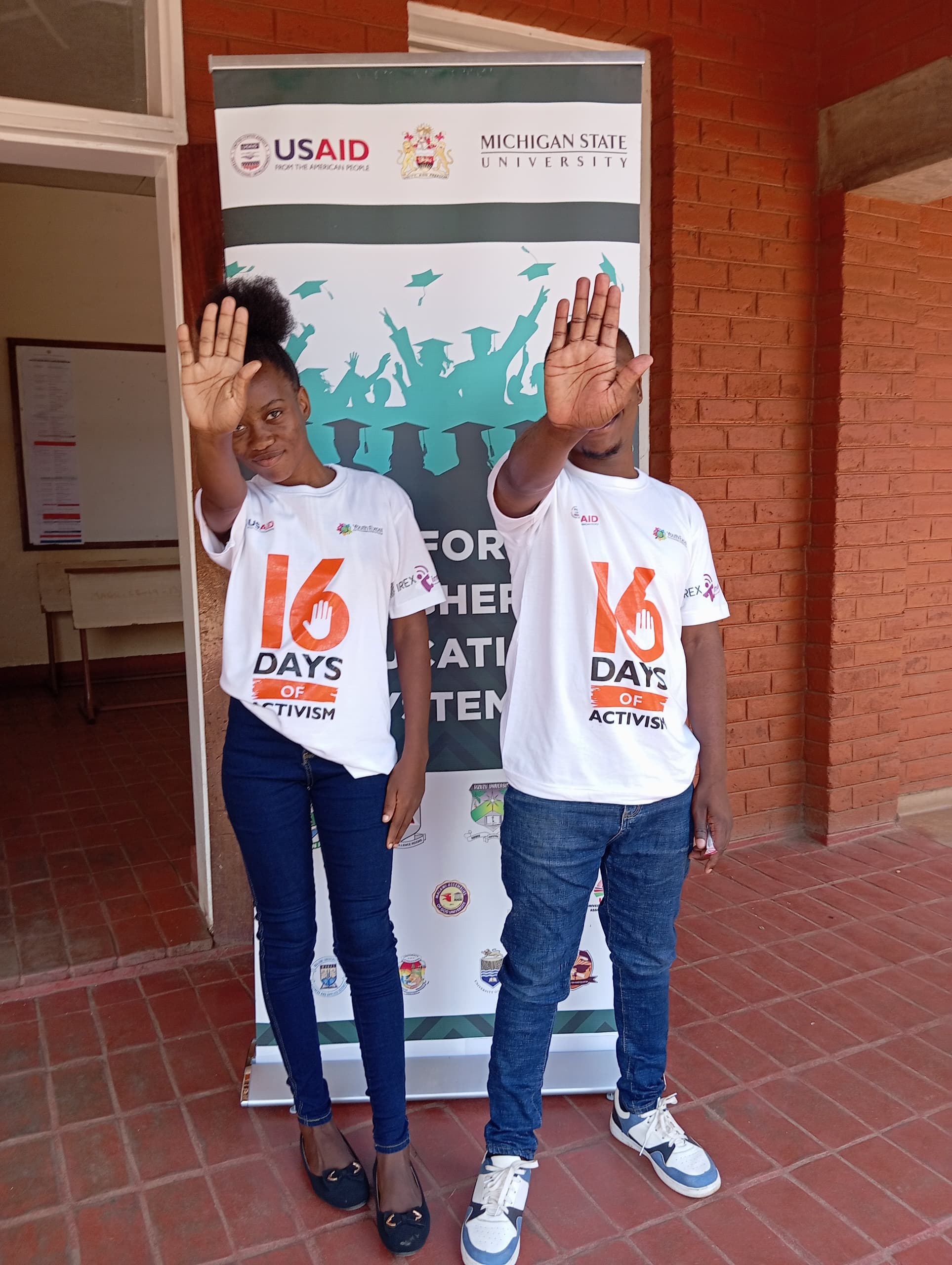
In October 2022, MSU signed a five-year, $17M USAID award for a Malawi project called Transforming Higher Education Systems (THES). THES worked with higher education systems towards the goal of strengthened and resilient higher education systems supporting increased equitable access to quality education that spurs economic prosperity in Malawi. THES will focus on three outcomes: (1) increased capacities of Malawian Higher Education Institutions (HEI) to design and deliver high-quality, market-relevant courses, (2) increased HEI Science, Technology, Engineering, and Mathematics (STEM) matriculation, retention, and completion rates, especially for vulnerable populations, and (3) increased uptake-ready innovations from HEIs. Over the course of the project, leaders included Chris Reimann, senior academic specialist with OISE in the College of Education; Kurt Richter, faculty in the Department of Community Sustainability in the College of Agriculture and Natural Resources; John Bonnell, capacity development specialist in MSU’s International Studies and Programs; Marcy Hessling O’Neil, Assistant Professor of Anthropology in the College of Social Science; and Jessica Garrels, senior academic specialist with OISE in the College of Education.
William Schmidt (Worldwide)
University Distinguished Professor William Schmidt led a 19-country study analyzing eighth grade mathematics textbooks around the world. His findings, published by the Organization for Economic Cooperation and Development (OECD), discovered shockingly few opportunities for students to learn and develop mathematics literacy. The Mathematics Curriculum Document Analysis was co-written by MSU’s Richard T. Houang, William F. Sullivan and Leland S. Cogan.
Barbara Schneider & Joseph Krajcik (Finland)
MSU is leading a five-year, $3.6M study funded by the National Science Foundation to increase students’ interest and engagement in science for all students with project-based learning. In PIRE: Crafting Engagement for Science Environments, researchers and teachers in the U.S. and Finland are developing and implementing learning materials for high school physics and chemistry classrooms. Barbara Schneider, John A. Hannah University Distinguished Professor, serves as principal investigator and University Distinguished Professor Joseph Krajcik is co-principal investigator. They published a book in 2020 about their powerful early findings.
Matthew Wawrzynski (Mozambique)
MSU scholars are helping build skills needed for economic growth in Mozambique through the USAID Higher Education Career Development Initiative. The four-year, $2M grant aims to increase the country’s capacity to provide quality employability services to students and launch career development centers. Professor Matthew Wawrzynski serves as project director; MSU’s Jeff Beavers is also part of the project. Partners include the U.S. Agency for International Development, the Universidade Eduardo Mondlane in Maputo, the Instituto Superior Politecnico de Manica (ISPM) and the Universidade Pungu.
Bethany Wilinski (Tanzania)
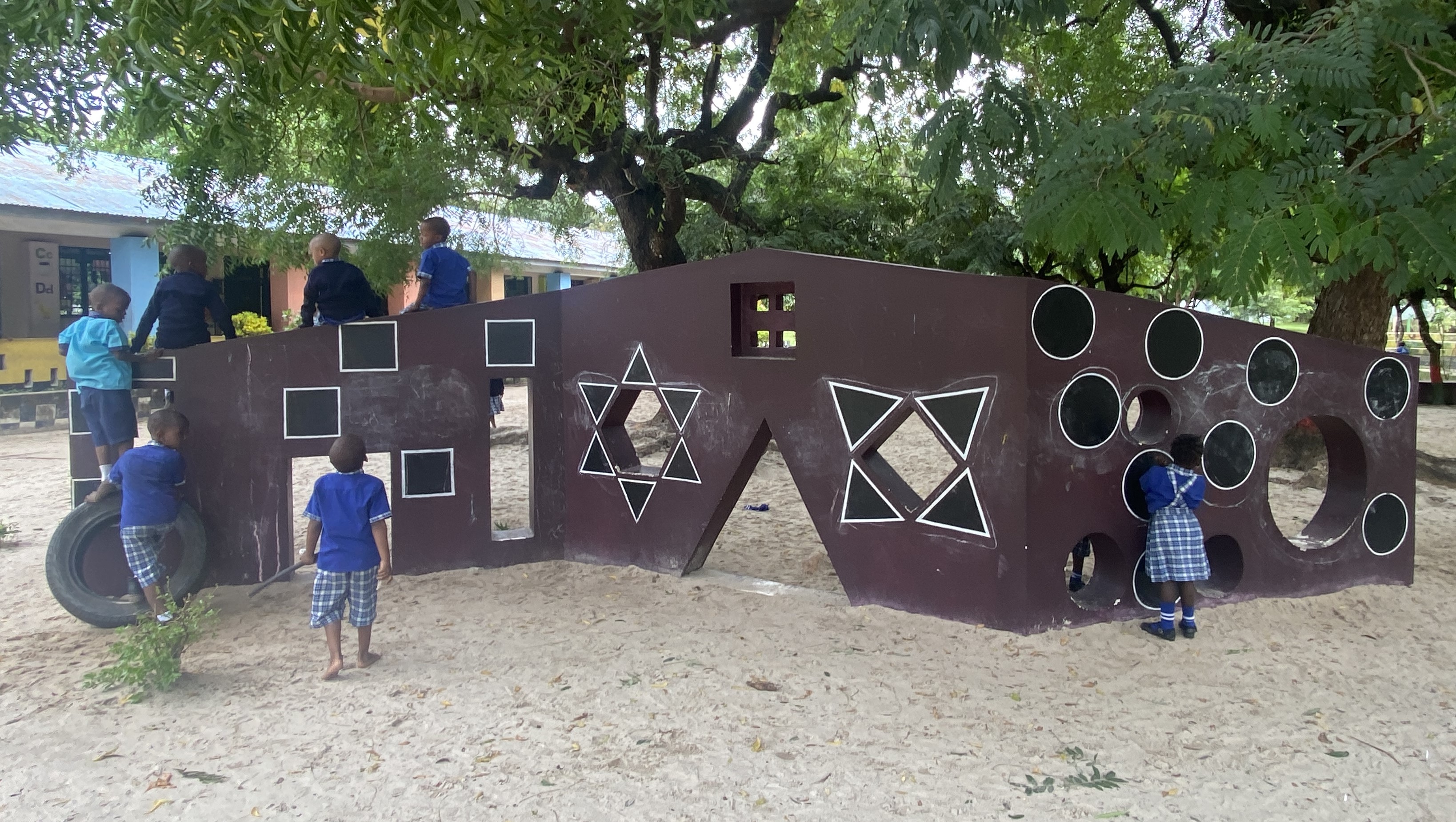
As assistant professor of Teacher Education, Bethany Wilinski’s work addresses global and comparative dimensions of policy and practice in early childhood education (ECE), which is crucial in addressing the overlooked intersection of ECE, educational policy, and international development. Much of her past and current work looks at ECE in the U.S. and Tanzania, including ethnographic research to understand how pre-K teachers translate and judge “best practices” in their classrooms; an examination of stakeholders’ perspectives on what drives pre-primary education quality; and an initiative with Dar es Salaam University’s College of Education (DUCE) focused on play-based learning and teacher development through Project PLAY. She is also the director of MSU’s Global Educators Cohort Program, which prepares future educators to teach with a global view, as well as the 2021 recipient of the John K. Hudzik Emerging Leader in Advancing International Studies and Programs Award.