Outdoor spaces in school settings can conjure up memories of recess—a place for play.
But with a closer look, MSU scholars suggest that each outdoor space at a school is ripe with learning opportunities.
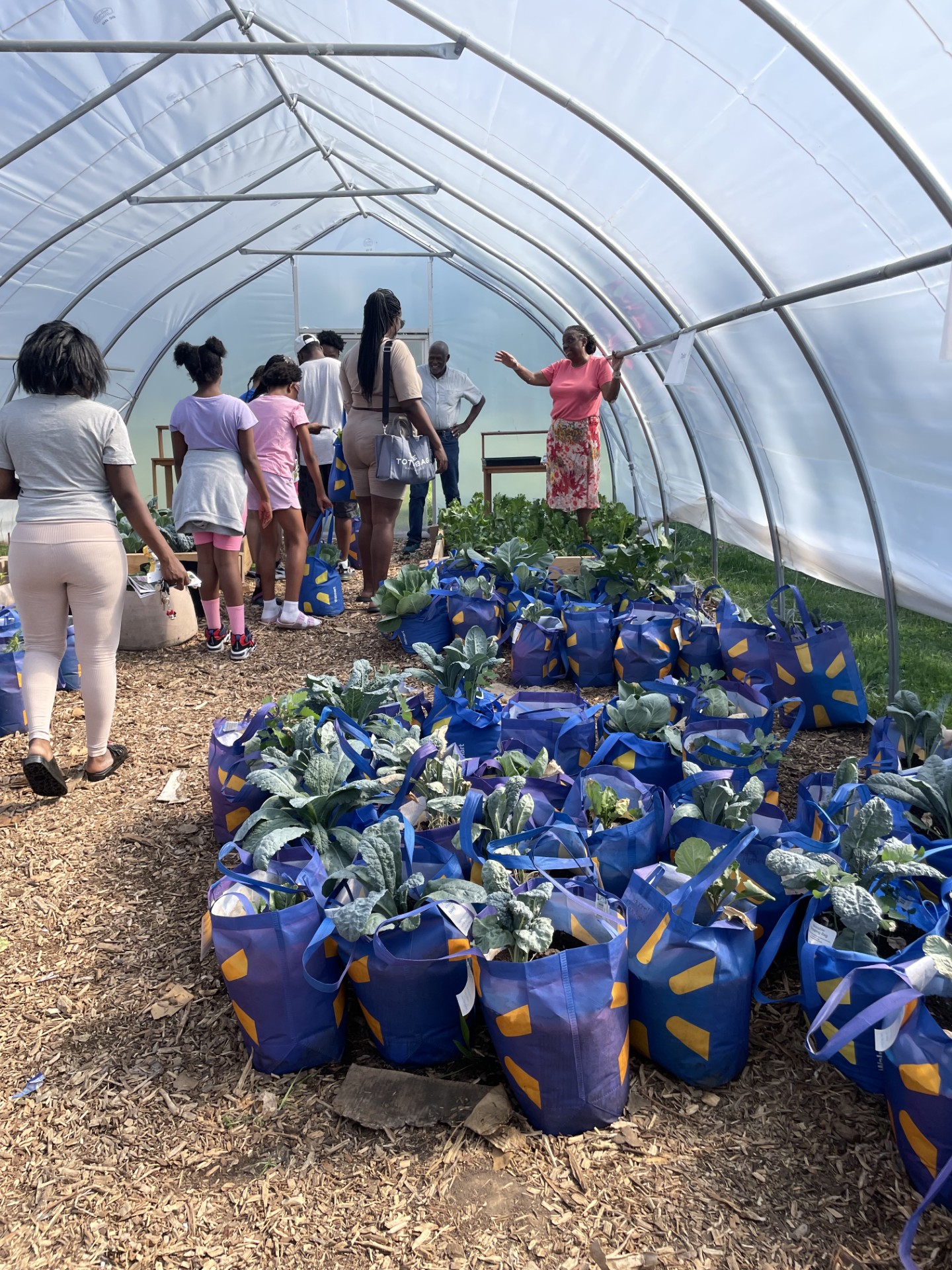
A publication in the Science and Children journal, led by MSU alums and scholars, helps teachers consider how their outdoor spaces can be “inspiring teaching partner[s].”
In this June 2026 article, the scholars call upon educators to develop plans using the “3-H” model of learning: Heads-On, Hands-On, Hearts-On.* The model focuses on engaging students’ brains, bodies and emotions to create effective, impactful learning experiences.
Here is how educators can put this into practice in outdoor spaces:
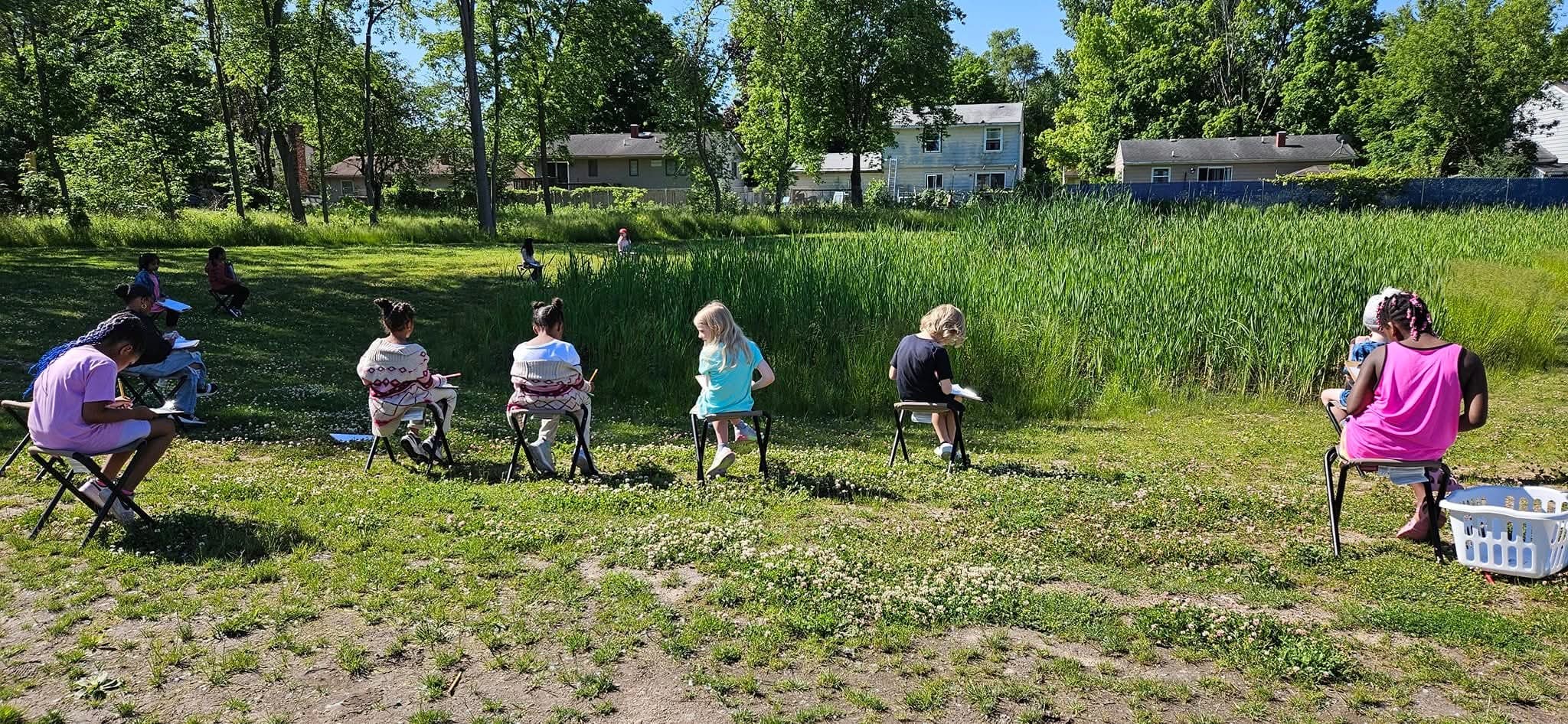
- Get outside. Explore the outdoor spaces, or schoolyard, including the playground, the landscape and any other natural elements, like trees or water features.
- Draw and label a map. During the exploration, consider how spaces are used (such as where birds or squirrels congregate) or spaces that have changed because of human interaction (grass erosion from high-traffic walking).
- Share and collaborate. Working with colleagues can generate new perspectives on how to experience or see the outdoor spaces, or create collaborative learning opportunities.
- Use the 3-H model to develop a lesson plan.
The scholars encourage educators to question what students could do or how they could interact with the space, what phenomena are occurring that students could discover and learn about and how to connect them to the space.
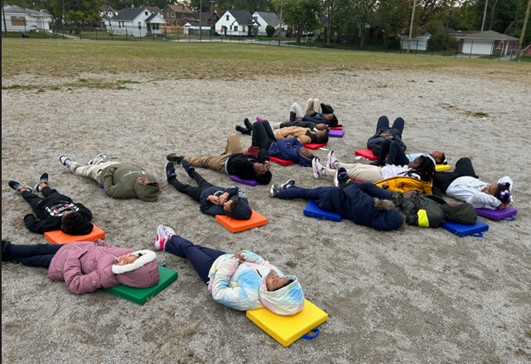
“At the heart of this practice: It’s not just being in the space, but connecting to it,” said Professor Gail Richmond, one of the article’s co-authors. “Students will be more committed to their learning if they can connect it to spaces meaningful to them.”
Place-based learning (using curricula centered on spaces students know well or often visit, like a playground or a local park) and project-based learning (units or assignments on topics that connect students to their spaces, like how rain can erode a sandcastle they made at the playground) are regular research topics for the MSU group.
The collaborative publication was led by an MSU team of:
- Kara Haas, Ph.D. ‘26 (Curriculum, Instruction and Teacher Education),
- Gail Richmond, professor and associate chair of the Department of Teacher Education,
- Renee Bayer, a now-retired associate director for engagement from MSU’s CREATE for STEM Institute,
- Grace Tukurah, Ph.D. ‘26 (Curriculum, Instruction and Teacher Education and Education Policy)
The team includes some of the researchers behind Teaching Science Outdoors-Urban Partnerships (TSO-UP), a group dedicated to supporting elementary teachers in using outdoor spaces as a learning resource. Richmond is the project’s principal investigator and, before her retirement, Bayer served as a senior staff member. Haas and Tukurah were graduate research assistants while working on TSO-UP. Haas is now a postdoctoral researcher in MSU’s Department of Plant Biology. Tukurah is a postdoctoral researcher at Vanderbilt University.
The MSU team was joined in the research and publication by Michigan elementary educators and TSO-UP participants:
- Shirley Brezzell, Detroit Public Schools Community District;
- Stanley Wheeler, Detroit Public Schools Community District; and
- Tiffany Gravier, Lansing Public Schools.
Michigan’s environment provides a robust opportunity for continued learning all year round.
“I encourage educators to consider what these outdoor spaces offer in every season,” Richmond explained. “What your schoolyard and neighborhood spaces look like, and the things that occur on and in them in the autumn, are unique to that season and, thus, distinct from what happens in winter and spring. I hope teachers can leverage our work and the resources we have made available to all educators as a way to continually support young people’s thinking and learning and enrich their own perspectives and practices.”
Sipos Y, Battisti B, Grimm K (2008), "Achieving transformative sustainability learning: engaging head, hands and heart". International Journal of Sustainability in Higher Education, Vol. 9 No. 1 pp. 68–86, doi: https://doi.org/10.1108/14676370810842193