When an athlete has a positive body image, how does it translate to the field of play?
Research from Michigan State University Kinesiology Ph.D. candidate Chelsi Ricketts explored this topic in a March 2023 study published in the Psychology of Sport and Exercise Journal.
“Essentially, the research shows us when an athlete appreciates their body’s form and functionality, it contributes to them feeling more confident in their sporting abilities, which also contributes to better evaluations of their sport performance,” she said.
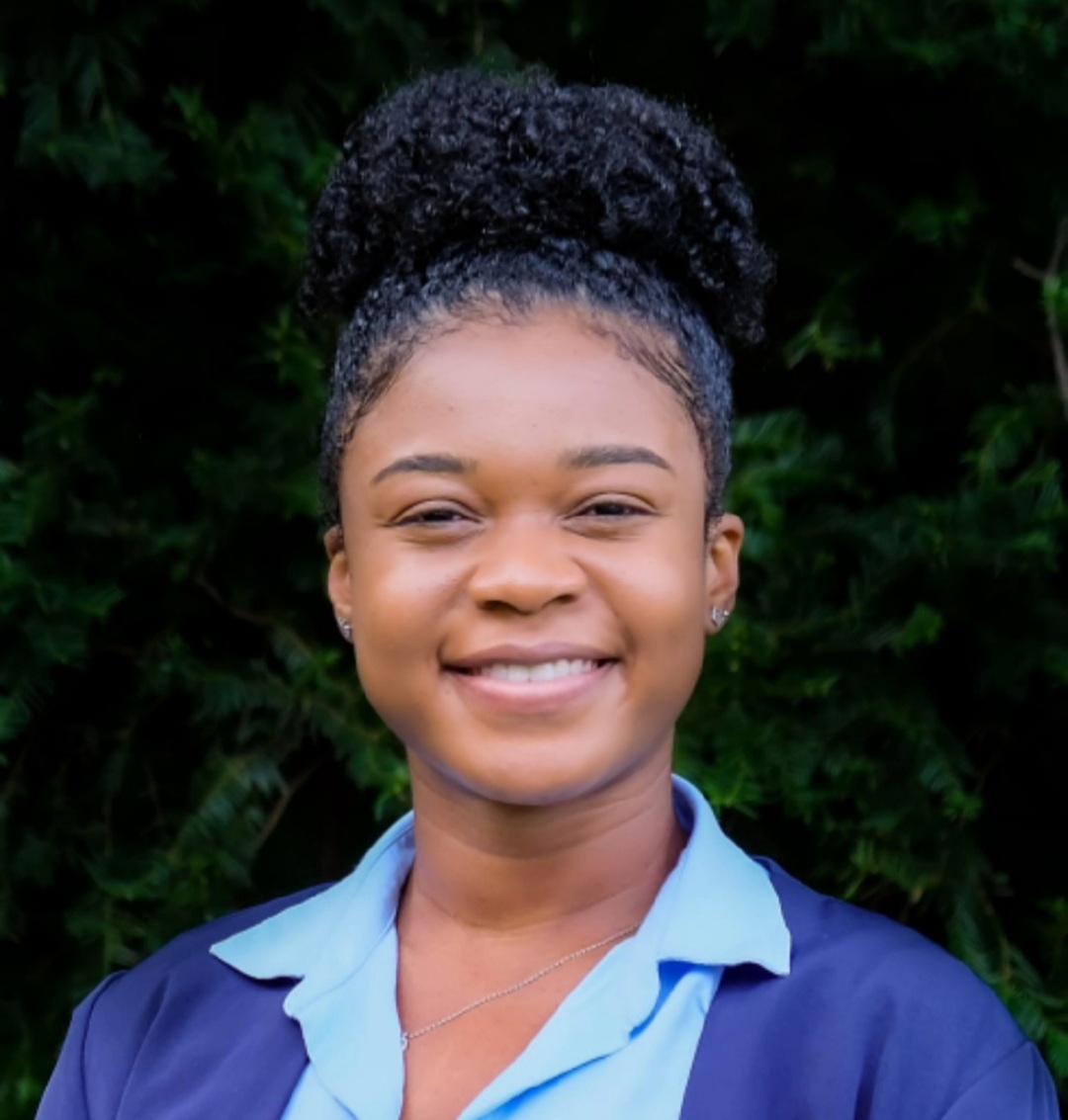
Ricketts noted her study stands apart; much of the existing research examines the negative associations between athletes and body image.
“After reading through the literature about body image in athlete populations, I realized most of the research was focused on the negative aspects or on body-related psychopathologies,” she said. “It focused extensively on how athletes are more at risk for developing body dissatisfaction, eating disorders, engaging in excessive exercise and using performance-enhancing drugs.”
The study’s main objective was to examine the role of body and functionality appreciation in athletes’ sport-confidence and sport performance evaluations. Sport-confidence refers to an athlete’s belief in their own ability to perform effectively in their chosen sport.
Ricketts found there was a direct link between athletes valuing their body and abilities, and their confidence in sports. The study showed an indirect relationship between positive body image and sport performance evaluations by way of sport-confidence.
Her research suggests sport stakeholders, such as coaches, could help improve athletes’ sport outcomes by encouraging a positive body image during their development. This may look like sending messages to athletes that shift their focus away from their body’s appearance and instead toward functional capabilities.
In collaboration with faculty from Michigan State University, Ricketts, a Jamaican native and her alma mater, the University of the West Indies, Mona, Jamaica, recruited over 300 athletes across the island to participate in the study by completing a survey. Athletes answered questions related to sport-confidence, body appreciation, functionality appreciation and evaluations of sport performance. To inform her research, Ricketts used the Sports Confidence Model, a conceptual framework to help identify sources of confidence in athletes.
While nearly 61% of surveyed athletes had a high-level sports background, ranging from intercollegiate to international competition, only 30% of respondents were women. For future research, Ricketts and colleagues recommend recruiting more diverse samples of Jamaican athletes from various sport types.
In June 2023, Ricketts presented this work at the North American Society for Psychology of Sport and Physical Activity (NASPSPA) Conference in Toronto, Canada. In summer 2023, Ricketts traveled to Botswana to extend this research with athletes in the region. Both studies play a large role in her dissertation.